




The Taste of Maine, Straight to Your Door
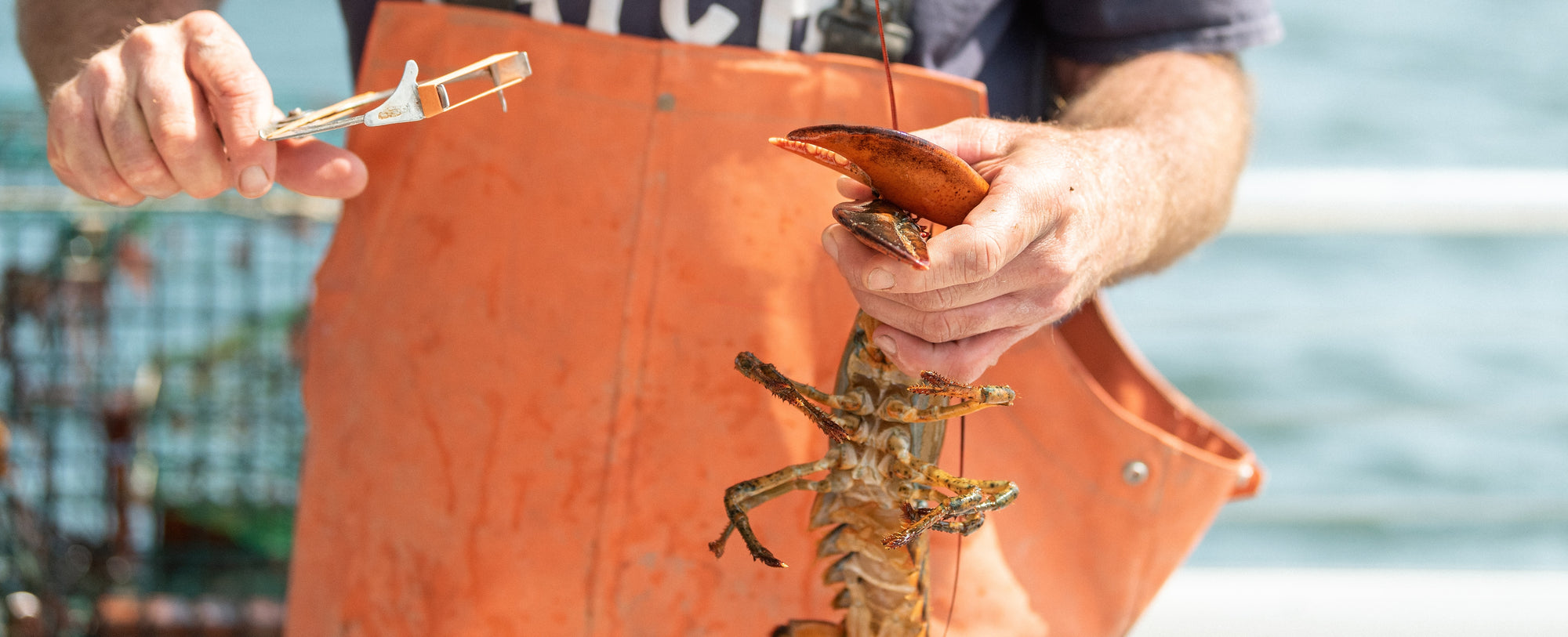
Our story begins in Maine, where the ocean meets tradition and every ingredient is treated with care and pride. We work hand in hand with local fishermen to bring the freshest Maine ingredients from our docks to your doorstep.

From Maine to Your Table
Growing up in Maine, I knew what fresh lobster really tasted like. Every special occasion back home had one thing in common - lobster, caught fresh from the cold Atlantic that very morning. It wasn’t just food. It was the soul of our community, the heartbeat of every celebration.
But when I moved to Chicago, I realized something surprising: most people had never tasted lobster the way we do in Maine. Sweet. Briny. Fresh off the boat. The kind that melts in your mouth. Even more surprising? They had no idea this extraordinary experience could show up right at their doorstep.
That’s when the idea for Get Maine Lobster was born.
We weren’t just going to sell seafood. We were going to deliver the magic of a Maine lobster shack to tables across the country. We set out to create experiences worth remembering.


A Note From Our Founder
Maine is more than just a place; it’s a way of life. We work hard. We embrace the beauty of all four seasons. Our idea of fast food? A lobster tail caught at 6 AM, on your table by dinner. And we deeply respect the craft of lobster fishing, which has been the backbone of our state’s economy for generations.
In the quiet foggy mornings of Maine, our work begins, traps are hauled, and the ocean offers up her treasures. When I think of Maine, I think of the ocean air, rocky coastlines, and a culture that welcomes you with open arms. The lobstermen and women here are the unsung heroes – resilient, dedicated, and endlessly skilled. I'm proud to share their catch and craft with people all over the country.
From dock to doorstep, this is our Maine. And we can’t wait to share it with you.
— Mark Murrell
Founder, Get Maine Lobster
Our Maine Story
From humble beginnings to delivering coast-to-coast memories.
2010
Where It All Started
We shipped our first box. One product, one goal: deliver Maine’s best to people who'd never tasted anything like it. The “MLD4” combo – 4 Live Maine Lobsters, 4 Crab Cakes, and 4 lbs of Mussels, became our signature.
2011
20,000 Reasons to Keep Going
The word spread. Over 20,000 people experienced Maine lobster at home, and our marketplace relationships flourished.
2014
From Maine to Mainstream
Chase Bank featured Get Maine Lobster in a nationwide ad campaign. Suddenly, our founder’s face was on every bank across America. We were officially on the map.
2015
Homecoming with Lobster
Mark left Chicago behind and moved back to Maine, where his heart (and the lobsters, aka the main characters of his childhood memories) belonged.
2018
Opening Our Doors
We invited our loyal customers to own a piece of the story, opening equity in Get Maine Lobster to the community that helped build it.
2019
Dockside in Portland
We acquired Maine Lobster Direct and moved to 48 Union Wharf in Portland, Maine – right in the middle of all the action. Steps from the boats, we could now select the catch ourselves.
2020
Growth Against the Odds
The world paused, but we scaled. Our company grew by 600% in just nine months during the pandemic. It was intense. It was humbling. But through grit and teamwork, we shipped joy to homes across the nation when people needed it most.
2023
From Maine, To Every Celebration
We shipped over 250,000 Maine lobster tails. And our vision? Still the same: be the #1 choice for culinary adventures and celebrations at home.


To us, it’s more than lobster, it’s about sharing the coast we call home and creating unforgettable moments around the dinner table.
Get in Touch
We'd love to hear from you!
Lost at sea with a question or concern? Don’t worry, we’ve got you. Our crew is just a message away, always ready to help. 🌊